Homemade Pickles: Tradition Meets Taste
A little achaar goes a long way. Here is how traditional homemade pickles are made, their benefits, and how to enjoy them the healthy way.
Indian pickles (achaar) are a beloved part of the thali — a tiny spoonful adds a big burst of flavour. Made traditionally, they also carry some surprising benefits.
The traditional way
Classic pickles are made by preserving vegetables or fruit in salt, spices and oil, often sun-cured over days. Some, like certain vegetable pickles, undergo natural fermentation, which can produce gut-friendly bacteria.
Popular homemade pickles
- Mango pickle — the all-time favourite.
- Lemon pickle — tangy and traditionally said to aid digestion.
- Mixed vegetable pickle — a medley of seasonal veg.
- Green chilli pickle — for those who love heat.
- Carrot pickle — mild, crunchy and colourful.
Enjoy in moderation
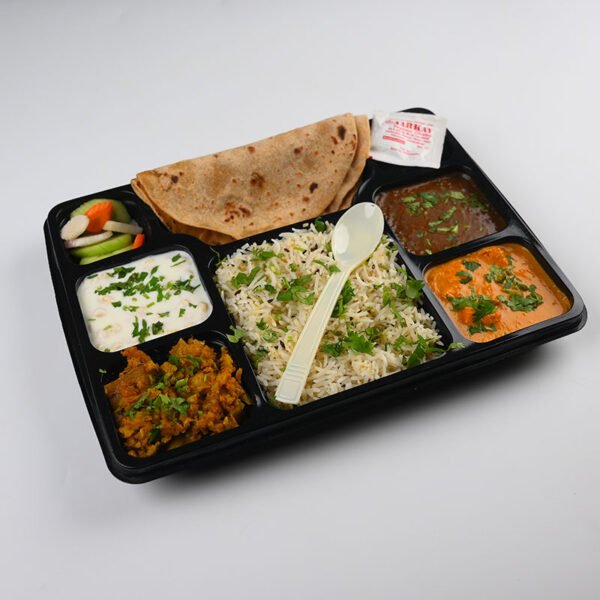
Pickle is a flavour accent, not a main dish. Because it is high in salt and oil, a small spoonful alongside your meal is the right amount. Homemade pickles — made fresh, without artificial preservatives — are the best choice. A little achaar with your Dream Lunch thali is a classic, satisfying combination.
Frequently Asked Questions
Are homemade pickles healthy?
In small amounts, yes — traditional pickles add flavour and some are naturally fermented. Just keep portions small as they are high in salt and oil.
How much pickle should I eat?
A small spoonful alongside a meal is plenty — pickle is a flavour accent, not a main dish.
Are some pickles fermented?
Yes — certain vegetable pickles ferment naturally during curing, which can produce gut-friendly bacteria.