Seasonal Vegetables: Why Eating in Season Matters
Vegetables taste best and nourish most when eaten in season. Here is why seasonal eating is the simplest healthy habit.
Nature has a plan: each season grows exactly what our bodies need. Eating vegetables in season means fresher produce, peak nutrition, better taste and better value.
Eat with the season
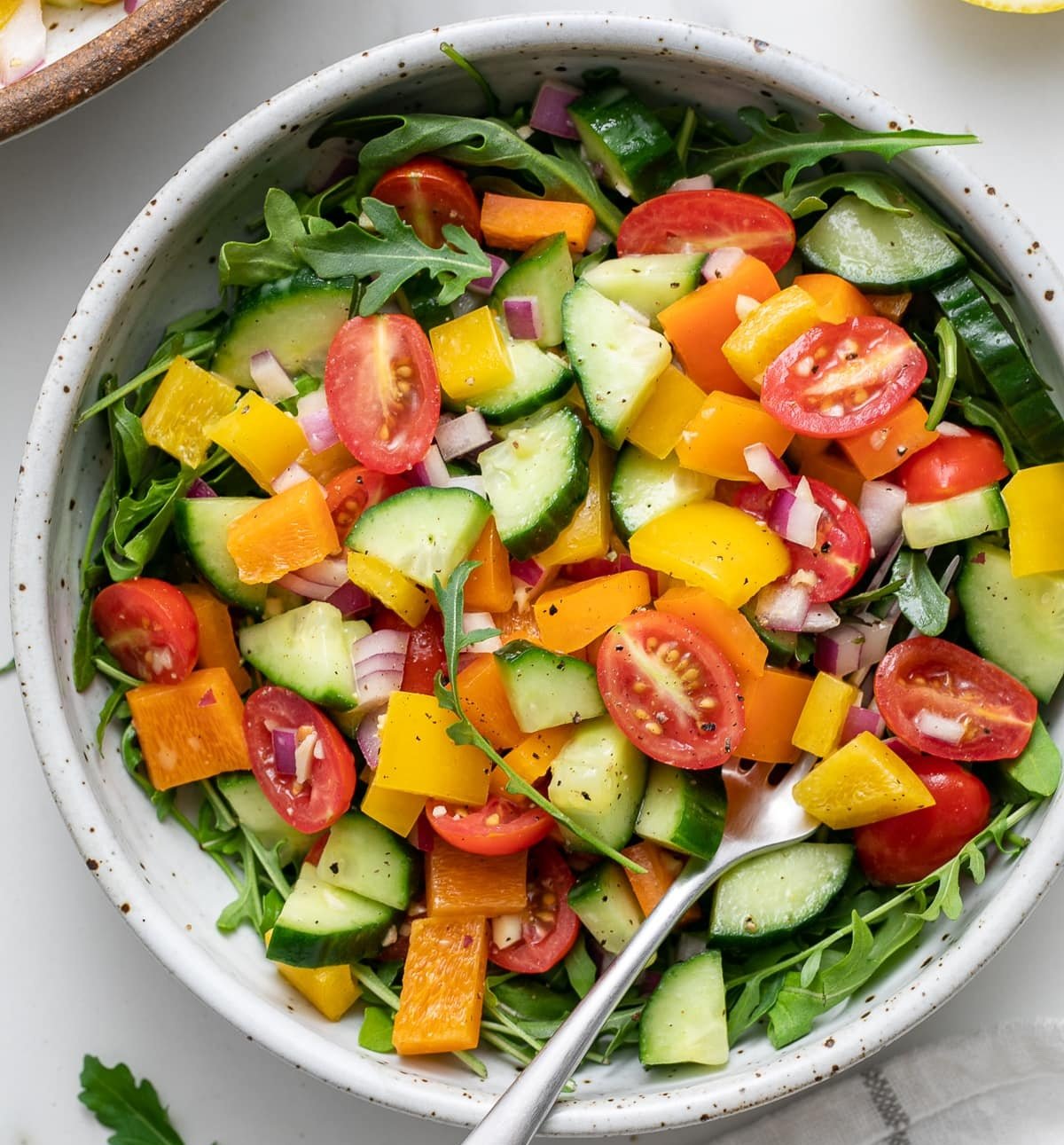
- Summer — bottle gourd, cucumber, pumpkin, tinda: cooling and hydrating.
- Monsoon — well-cooked gourds and seasonal greens.
- Winter — carrots, beetroot, spinach, methi, peas, sarson.
Why it works
Seasonal vegetables are harvested at their peak, so they retain more vitamins and flavour. They also bring natural variety to your plate through the year — which means a wider range of nutrients.
Fresh & seasonal, daily
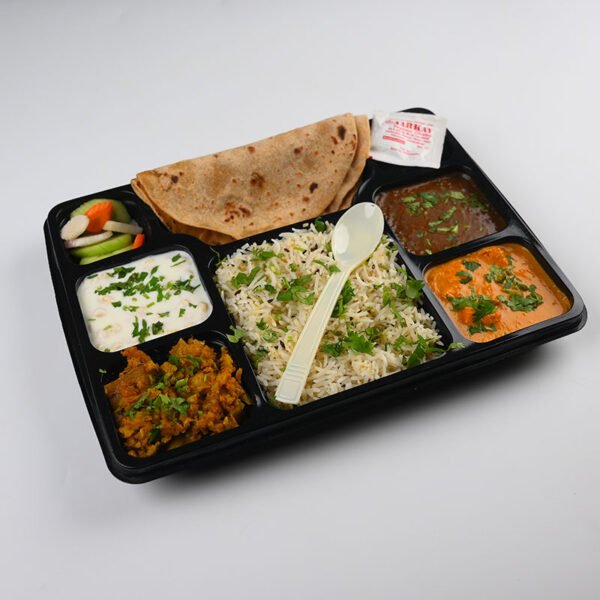
Dream Lunch sabzis are made with fresh, seasonal vegetables bought daily — so your thali changes gently with the seasons.
Frequently Asked Questions
Why eat seasonal vegetables?
Seasonal produce is fresher, more nutritious, tastier and usually cheaper, because it is grown and harvested at the right time.
What vegetables are best in summer?
Bottle gourd, cucumber, pumpkin and other water-rich vegetables suit summer.
What about winter vegetables?
Carrots, beetroot, spinach, methi, peas and other greens are at their best in winter.